Our Context
Addressing Local Situations
90% of us have considered to take our kids with us when we pass away,” a parent of an intellectually disabled kid told
us during a conversation. Through this, we realized the importance for the intellectually disabled community to become
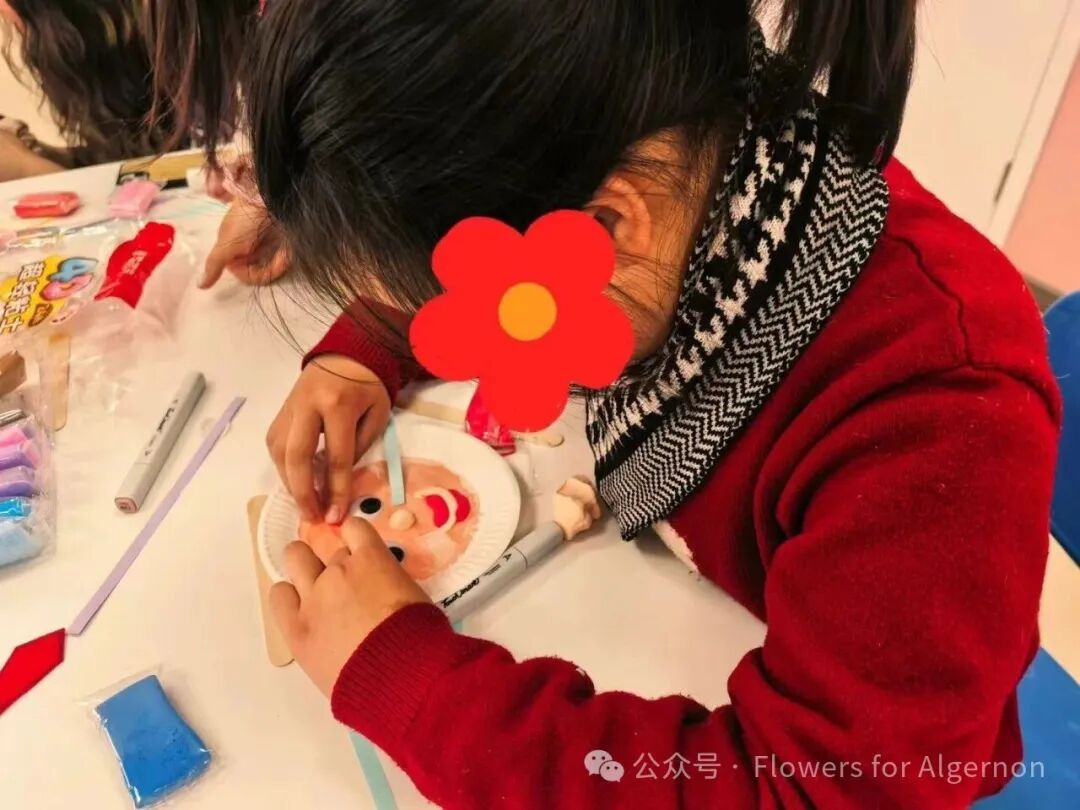
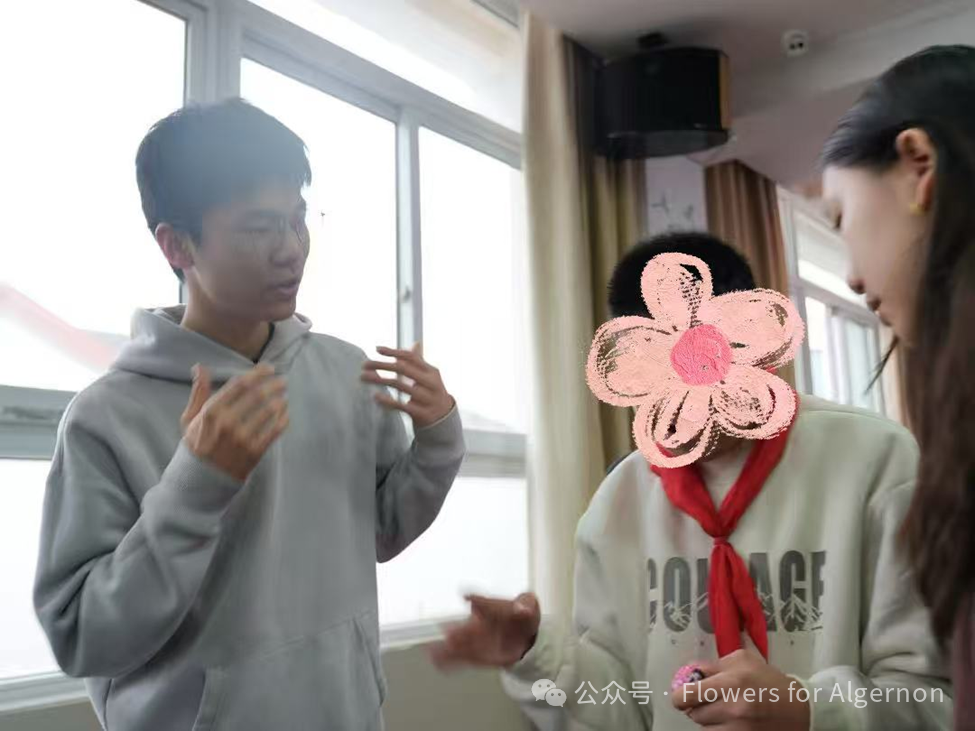
more independent from their caregivers. Thus, a major part of our work—taking place in the special education
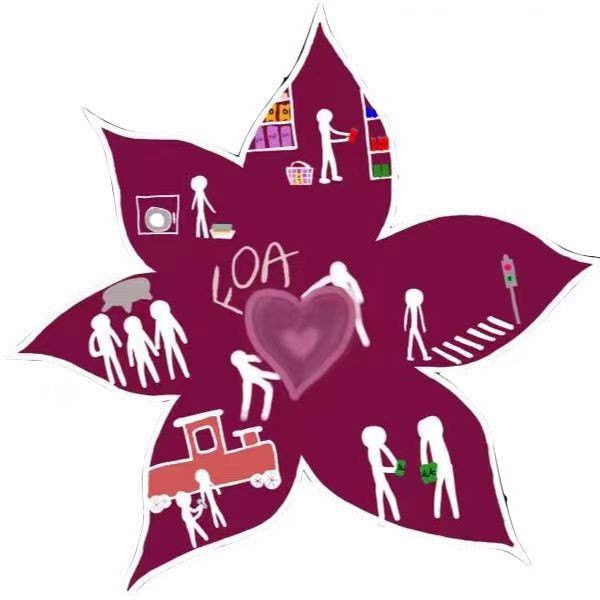
school—is largely focused on teaching skills used on a daily basis (folding clothes, hygiene, taking out waste) and
communication in common settings (shopping in supermarkets, expressing emotions).
It has been 20 years since any graduate from the Special Education School has secured a formal job. With this in mind, in
addition to daily life skills that we teach consistently, FFA wishes to take action on the aspect of improving employment
of neurodivergent individuals. This is because employment is crucial for supporting youth in living more independently
from their caregivers, the overarching cause of FFA.
At the same time, recognizing wide individual differences, FFA is also addressing a broader challenge: many graduates
have nowhere to go after leaving school, leading to social isolation and skill regression. In response, we collaborate with
multiple partners to develop communitybased day care centers integrated into local aging communities, creating stable
spaces for social participation and long-term inclusion
Q&A
Q: What's the age group that Flowers for Algernon works with?
A: In the Special Education School, FFA works with grade levels including ages of 6 to 19 on a rotating basis. In XiaoWoNiu, kids from age 11 to 25 participate in the 老友记 program.Q: What specific medical disorders and variations are Flowers for Algernon's resources adapted to?
A: All materials are initially designed for teaching kids at Changshu Special Education School. With diverse kids at the school, FFA does not target a single medical diagnosis. Resources are designed for neurodivergent children and youth, including but not limited to:- Children on the autism spectrum
- Children with intellectual disabilities
- Children with learning differences
- Children with attention and executive-function differences
- Children with social communication challenges
- Children with uneven cognitive development
While many activities use engaging colors, expressive communication, and interactive materials to support attention and
participation, these approaches may not be suitable for all children. Materials and communication styles must be used
selectively and adapted carefully based on the child’s individual response! (Eg, especially for kids with sensory
sensitivities)
Q: How abundant are special education resources in FFA’s local region?
A: The numbers for younger age groups are still being compiled. Currently, there are approximately 420 children aged 13–18 with intellectual disabilities in Changshu, and about 1,674 individuals aged 18–45 with intellectual disabilities. There is a lack of educational resources for all ages.Q: What are the local resources and community support after graduation for an intellectually disabled individual?
A: After completing nine years of compulsory education, many older youth with intellectual disabilities face a situation of having “nowhere to go.” Local support after graduation is limited: there is a lack of day care services, insufficient opportunities for social participation, and few pathways for vocational skill development. As a result, most individuals can only remain at home or enter adult rehabilitation centers.However, existing adult rehabilitation centers in Changshu primarily serve middle-aged and elderly people with
disabilities, making them poorly suited to the social, developmental, and vocational needs of younger adults with
intellectual disabilities.
In response to this gap, we have begun exploring post-graduation services for older youth, and have successfully
connected with relevant community and institutional resources. Now we have started to test the new solutions.