Tidying and Organizing Items: Distributing Items in Storage Boxes
At Changshu Special Education School, we spent an afternoon filled with laughter and joy with the children.

On November 5, 2025, members of Flowers for Algernon Zhixing visited Changshu Special Education School to conduct a unique “Tidy Masters” activity. In daily life, a clean and organized environment is crucial for the children’s learning and living. How to cultivate tidiness habits in the children was precisely the theme we wanted to explore in this activity.
Let’s take a look at the interesting activities led by our instructors Flower, Edison, Ian, and Tiger!
Preparation
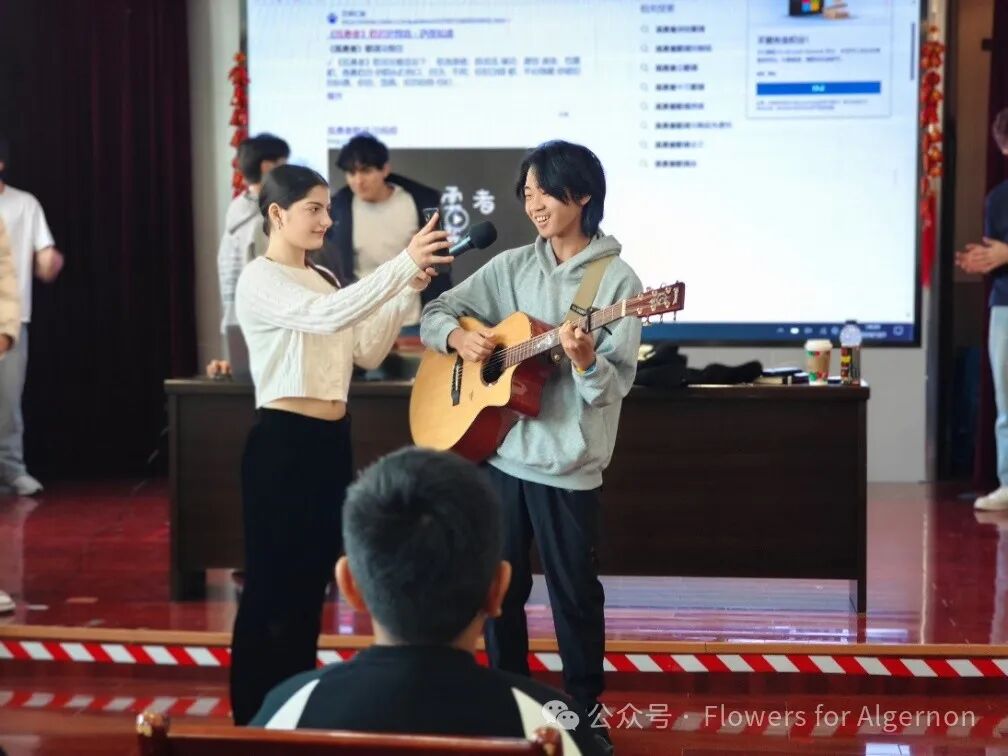
The activity started on time. Flower and Edison welcomed each child on stage, while Ian and Tiger carefully prepared the activity materials offstage.

Other members assisted the children in taking their seats orderly, ensuring every child felt our warmth and care. An lively and interesting animated video played on the large screen, instantly capturing the children’s attention and setting the stage for the upcoming activities.
Introduction
“Students, have you ever had trouble finding your favorite toys?” Flower asked kindly from the stage, “Today, we are going to make a magical storage box together, so that every item has its own home!”
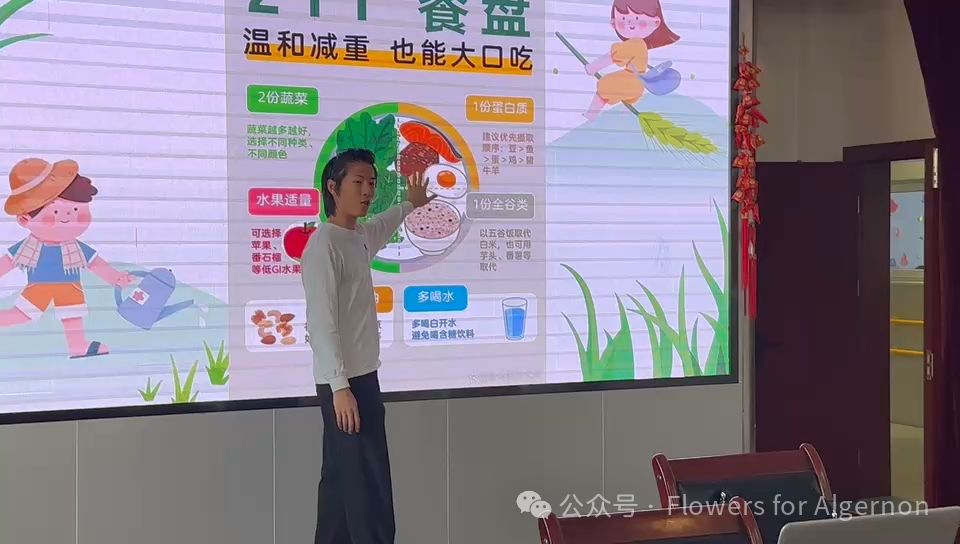
This childlike opening introduction filled the children with anticipation for the activities to follow. Edison used a PPT presentation and simple, clear language to explain the entire activity process to the children, while members offstage distributed materials like paper boxes and colored pens to each child.
Main Activity 1: Making the Storage Box
The first main activity officially began! Ian and Tiger took the stage to demonstrate how to make a storage box.

“We don’t want messy desks right? So let’s make boxes that helps us organize our things!” Ian’s simple and direct opening statement highlighted the importance of organization.
The process was divided into three simple steps:
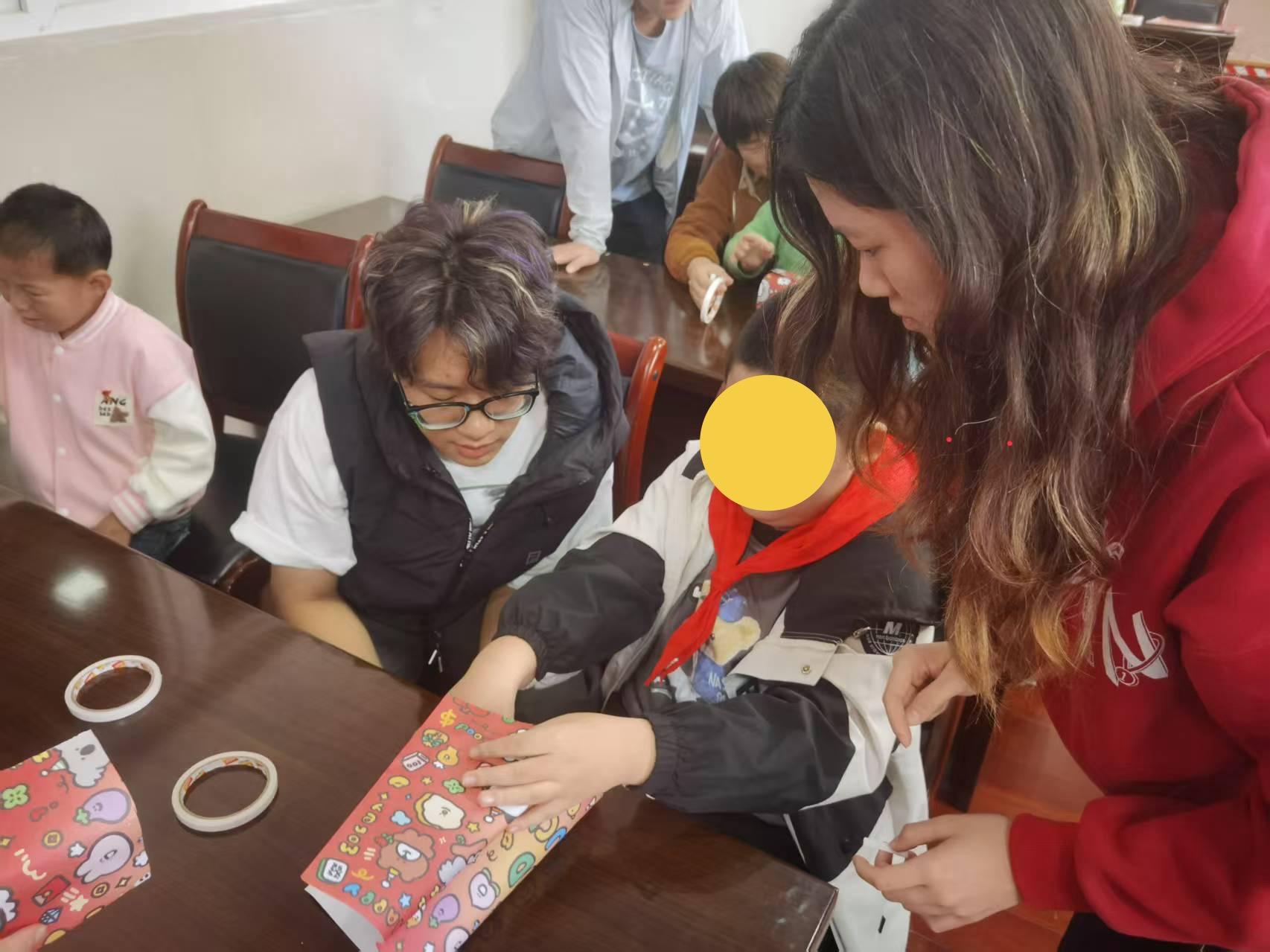
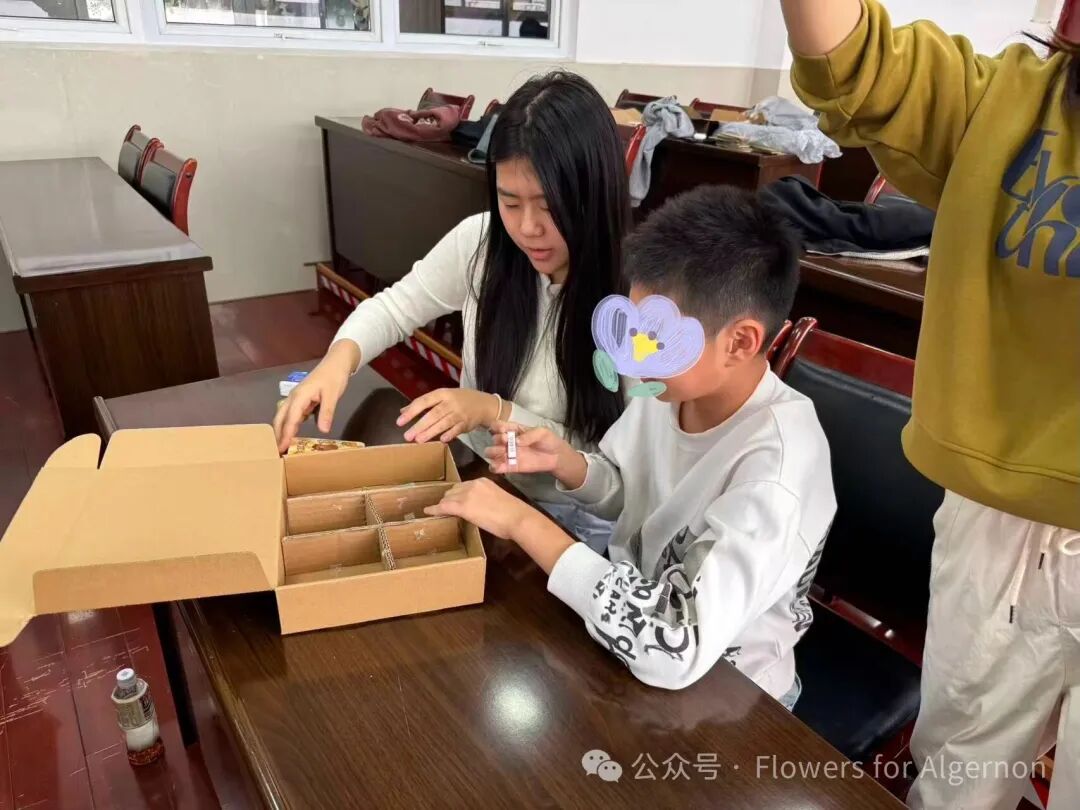
First, the children inserted three divider boards into the slots of the paper box, dividing the large box into several compartments of different sizes. Tiger demonstrated carefully on stage, ensuring every child could see clearly.
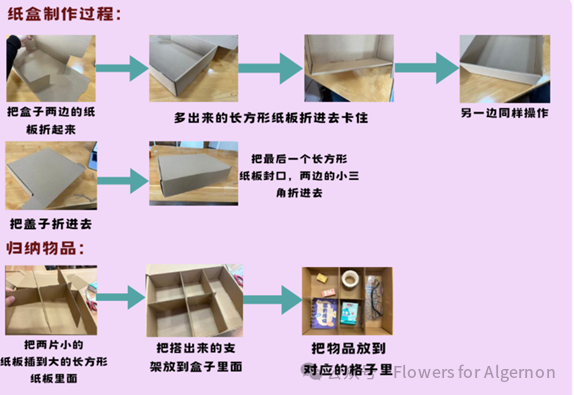
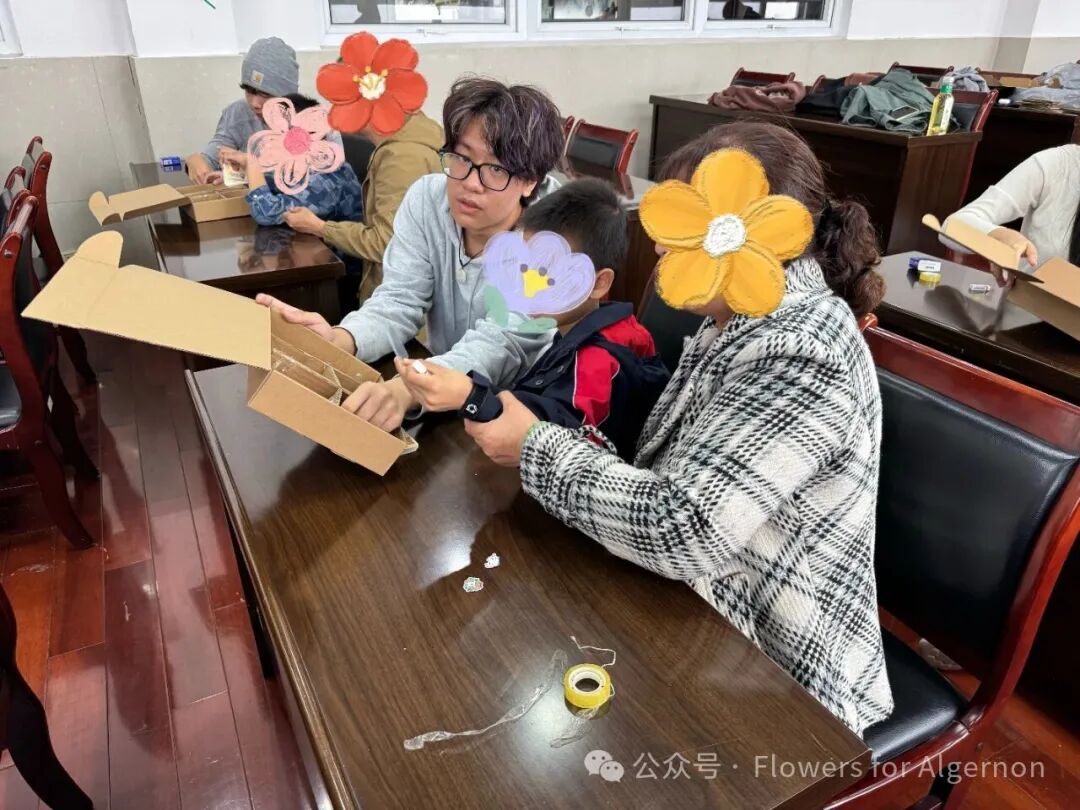
Next, the children used tape to secure each divider board inside the box. Flower and Edison walked around offstage, readily providing guidance to children who needed help.
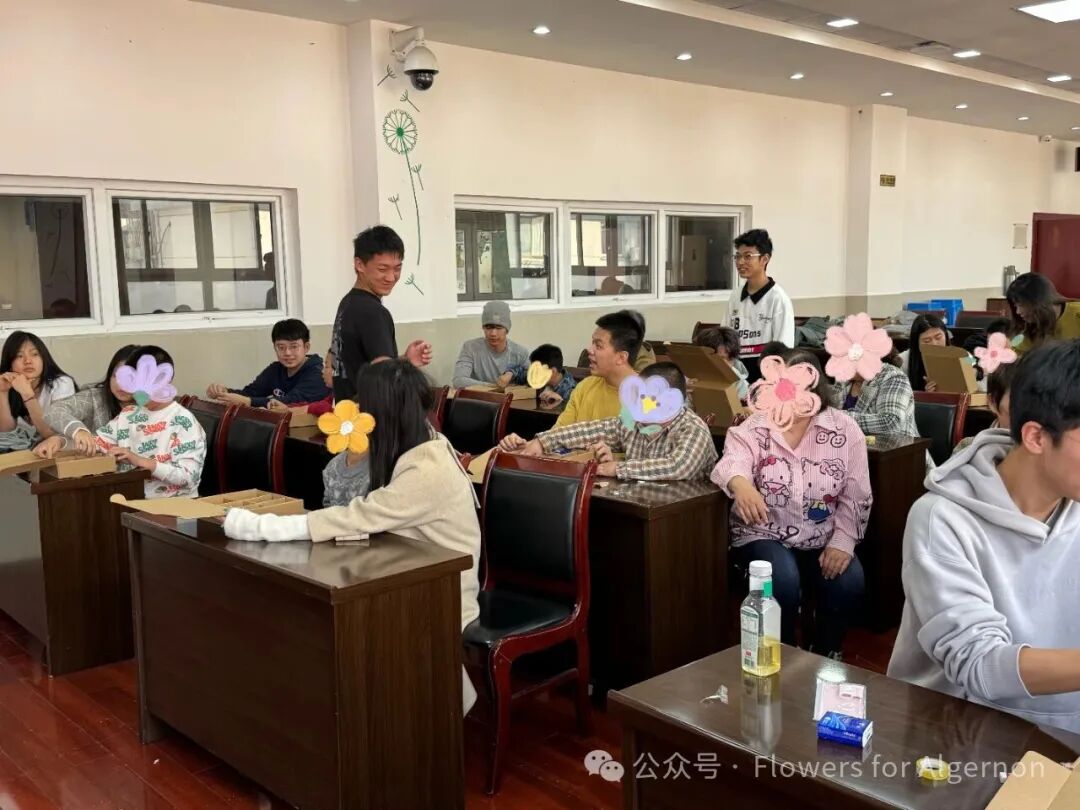
“Look! Now we have prepared separate ‘little rooms’ for different items!” Ian excitedly showed the finished product to the children.
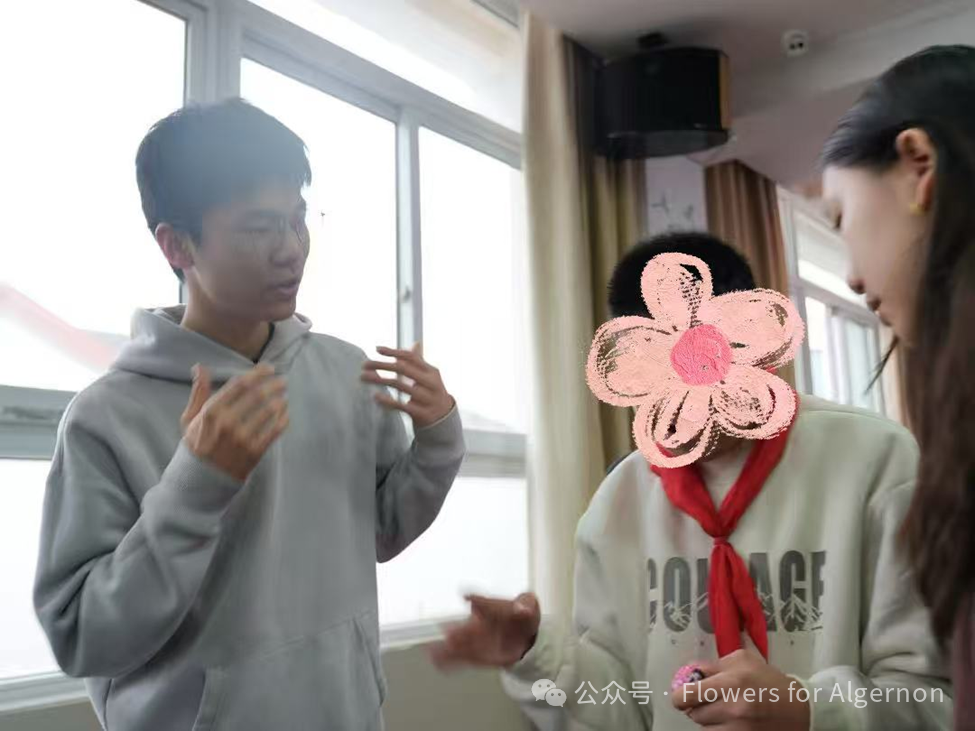
Offstage, each child had a member accompanying them, patiently guiding them through each step. It was a delightful surprise to see many children demonstrate excellent hands-on ability and quickly complete their own storage boxes.
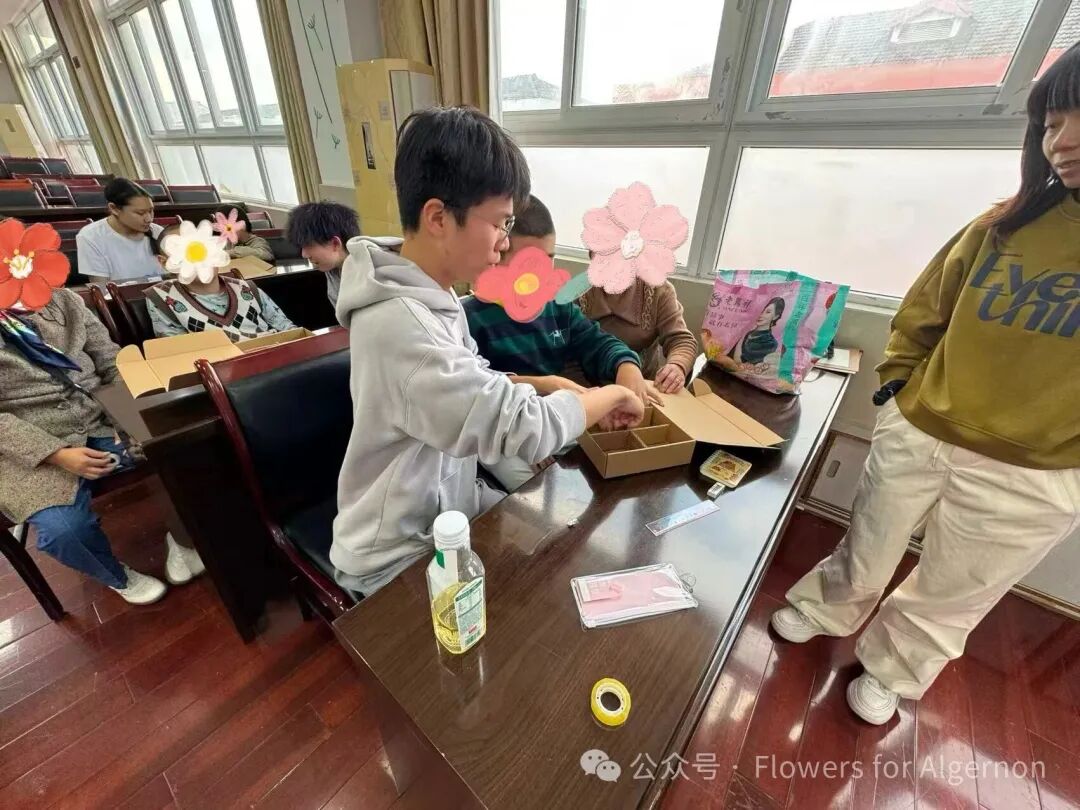
Interactive Game: Identifying Objects
Next, a fun interactive game began!
“Students, the boxes are completed, but they are empty. So, we need to put things inside,” Tiger said, pointing to the various items on the tables. “Look, there are so many things on your tables now. Do you know what they all are?”
Images of items like erasers, rulers, and stickers appeared on the large screen one by one. Each time an item was shown, the children had to find the corresponding physical object on their table and raise it high. This segment not only tested the children’s observation skills but also helped them familiarize themselves with the names and uses of these common items.
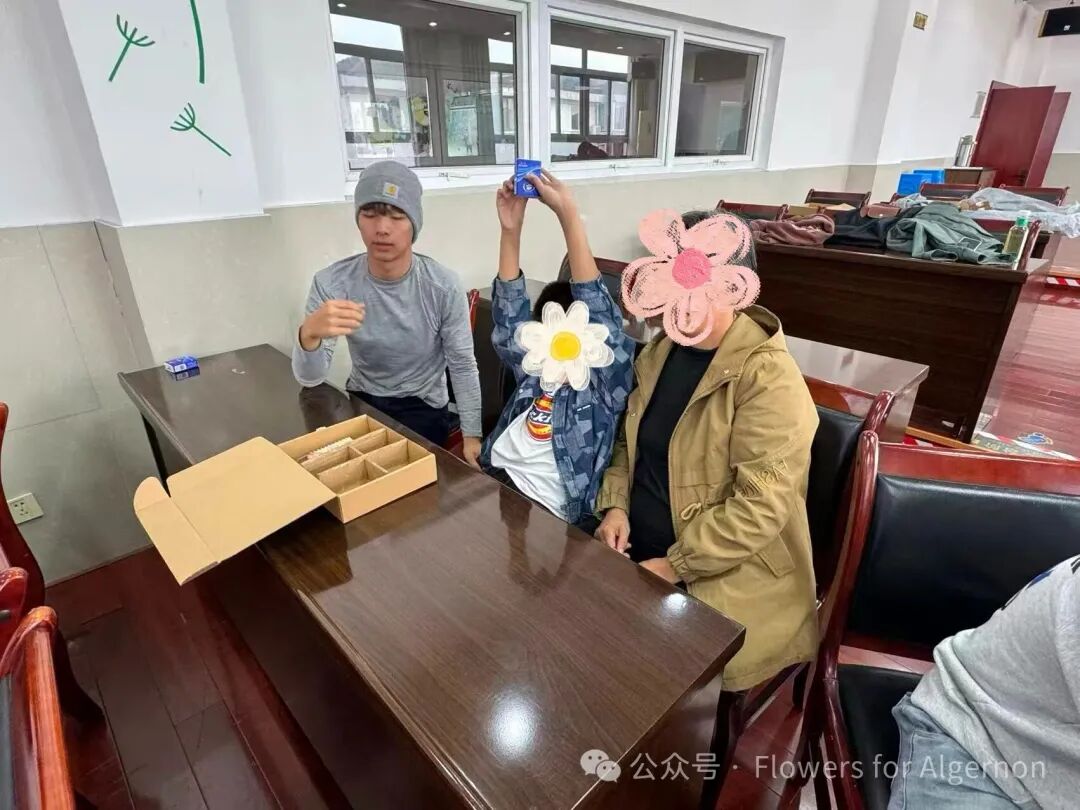
“This is an eraser. Can you find it? Everyone who found it, let’s raise it together!” Following Ian’s instruction, the classroom instantly turned into a sea of joy. The children excitedly raised the items in their hands, their faces beaming with smiles of accomplishment.
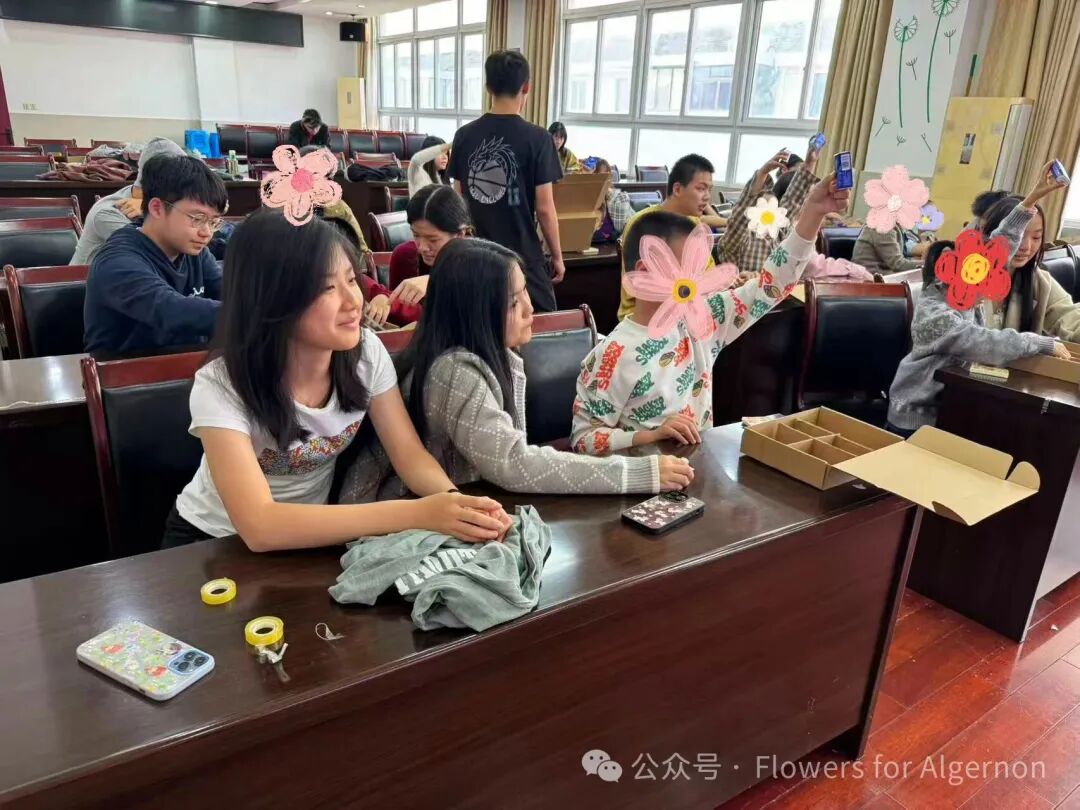
Main Activity 2: Practical Tidy-Up
The most crucial part arrived – the practical tidy-up!
Flower and Edison returned to the stage and showed the children an example of an organized box. “Students, you are all amazing! Now, let’s tidy up the messy tables together!”
The tidy-up process was equally simple and easy to learn:
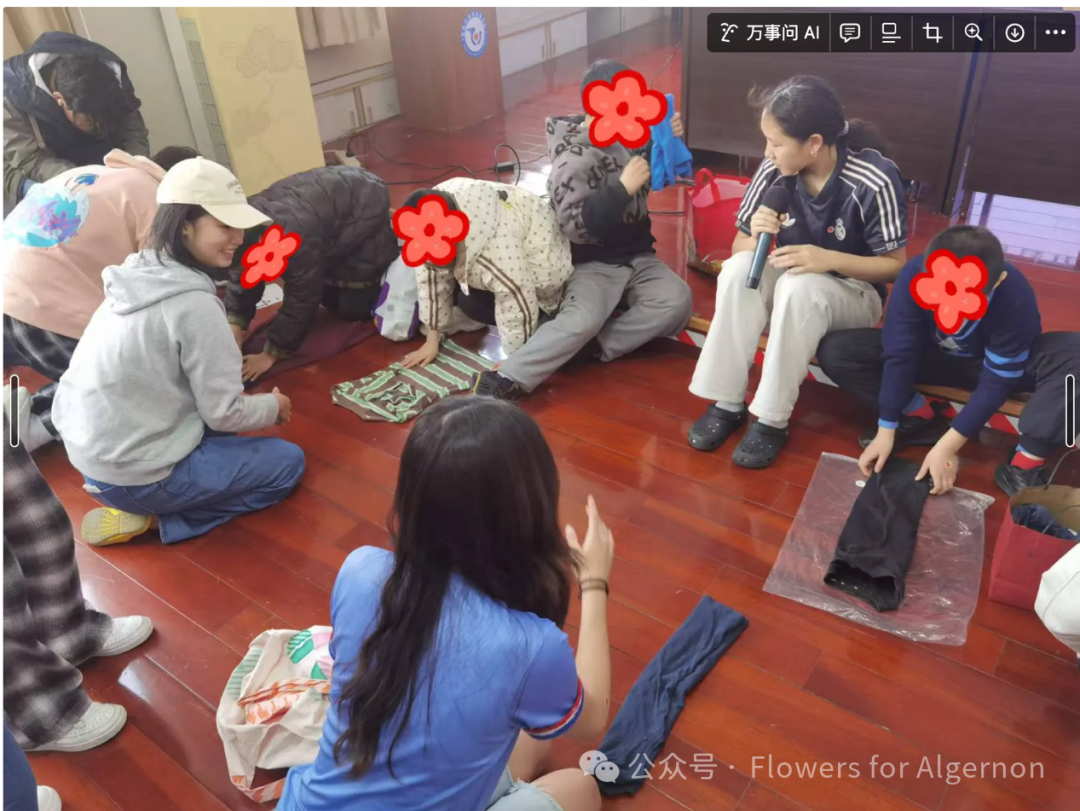
Following the example on stage, the children categorized and placed the colored pens, rulers, notebooks, and stickers into the different compartments of their storage boxes. Flower explained in detail from the stage where each type of item should be placed, while Edison used physical demonstrations to let the children visually understand how to maintain neatness.
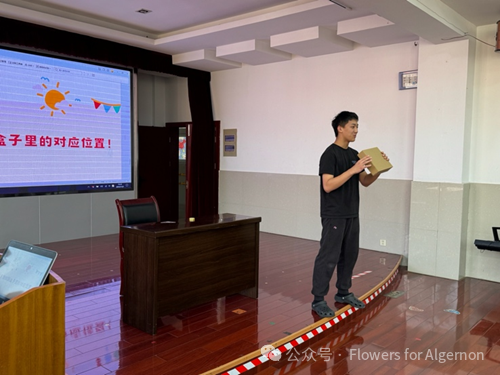
Offstage, all members were fully engaged in guiding the children. We encouraged the children to do it themselves, offering appropriate help only when necessary. It was touching to see how seriously the children treated this “task,” carefully placing each item.
Emphasis on Safety and Care
Throughout the activity, we paid special attention to the children’s safety and emotional well-being. Besides being cautious about the safe use of sharp items (like rulers), the members were constantly aware of each child’s emotional state. If a child showed signs of anxiety or frustration, we would promptly adjust our guidance approach or offer a short break.
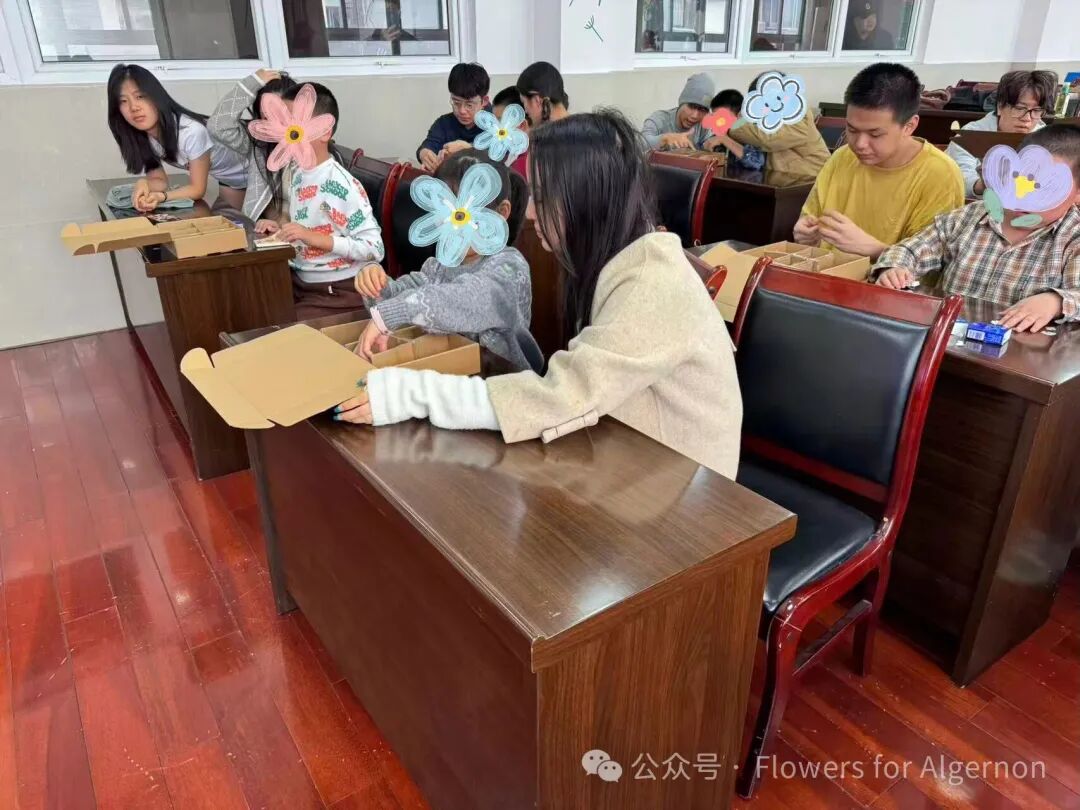
“It’s okay, we can take our time,” “You’re doing great already!” – words of encouragement like these were used throughout, creating a learning environment filled with a sense of security and support.
Conclusion
As the activity drew to a close, all members joined the children on stage to review the gains of the afternoon.
“Every one of you did exceptionally well today!” Flower summarized, “You not only made your own storage boxes with your hands but also learned how to keep desks neat and tidy. We hope that from now on, you can all become ‘Tidy Masters,’ keeping your own little worlds clean and organized!”
Watching the children proudly display their creations, we knew deeply that this activity had planted the seed of organization in their hearts.
Reflection and Outlook
This “Tidy Masters” activity, through its three progressive stages, allowed the children to master basic organizational skills through hands-on practice. From making the storage box, to identifying objects, and finally to the practical tidy-up, each step was carefully designed, considering the children’s learning characteristics while ensuring the activity was fun.
This activity also gave us a deep appreciation of the extra patience, creativity, and personalized support required in educating children with special needs. Through carefully designed visual cues, step-by-step guidance, and individualized assistance, we saw the children demonstrate surprisingly impressive learning abilities.
More importantly, we believe that cultivating tidiness habits not only makes the living environment more comfortable but also helps children develop an organized mindset and a sense of responsibility. Organizing items might seem simple, but for children with special needs, it’s about building an understanding and sense of control over the world. When we saw the children carefully placing each item, their faces showing satisfied smiles, we knew this was more than just skill learning; it was a process of building self-confidence.
Flowers for Algernon Zhixing will continue to use love and care to design more life skills activities suitable for children with special needs. We believe every child has unlimited potential. As long as we find the right approach for them, we can help them bloom with their unique brilliance.
Making every encounter a warm stepping stone on the children’s growth journey.
Author:Flower 刘花儿
Photographer:Ian 付元畅
Editor:April 杨佳炘
——End——