Waste Recycling (Continued): Developing Categorization Skills and Crafting Skills (DIY Water Guns)
On March 12, 2025, Flowers for Algernon Zhixing held another activity about waste sorting and recycling at Changshu Special Education School. In our previous activity, we taught the children about four different types of garbage. This time, to help the kids better understand the importance of sorting trash, we organized many hands-on activities to let them experience the value of recyclable waste directly. Now let’s take a look at what teachers Adrian, Jim, and Tony did with everyone during the event!

Preparation
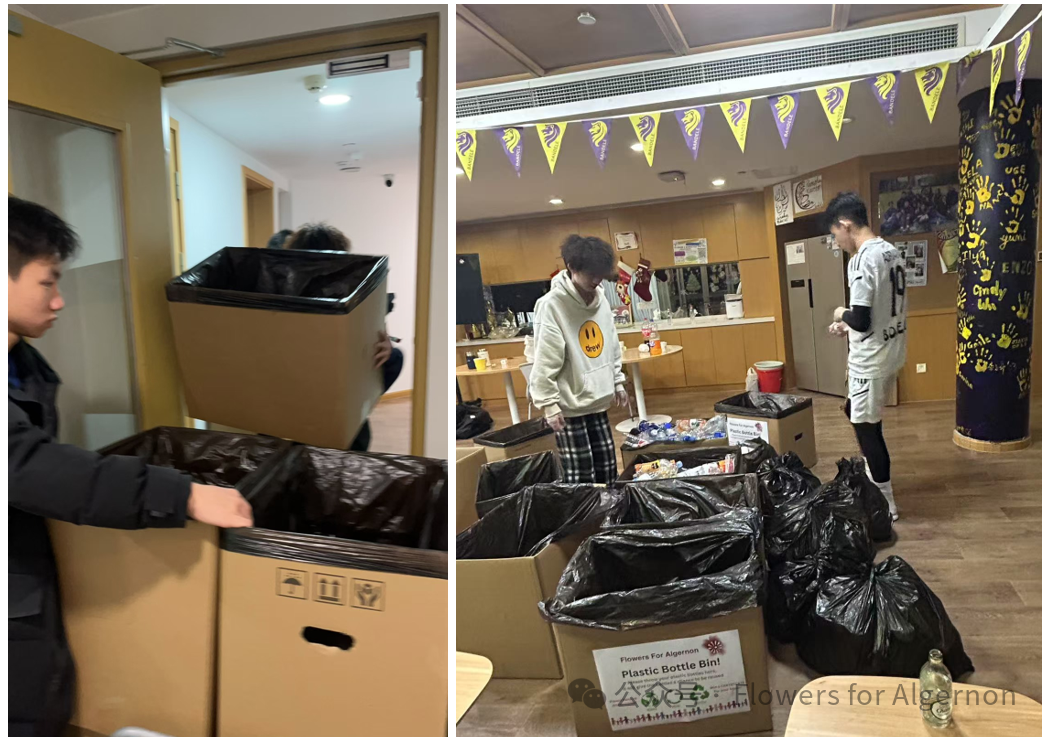
Before the activity started, the three young teachers first launched a plastic bottle collection challenge at their own school. They placed clearly marked cardboard boxes in various locations around the school to collect plastic bottles from their fellow students. After a week, they had gathered enough bottles for the event. These bottles, originally destined for the trash bin, would now be recycled and given a “new life.”
Activity 1: New Knowledge about Garbage Sorting
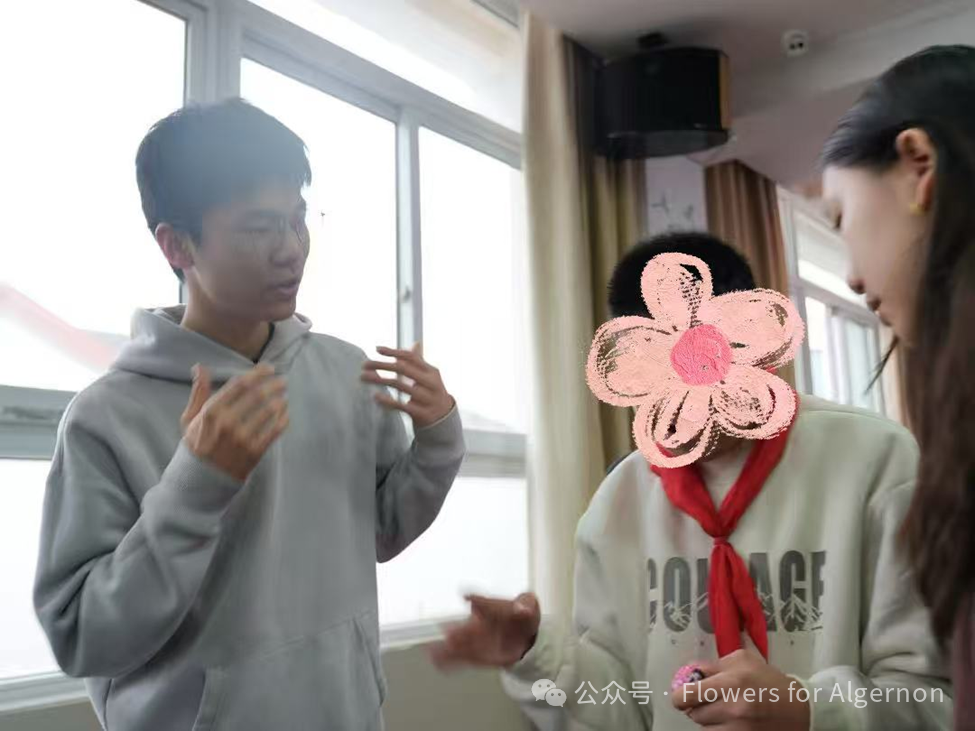
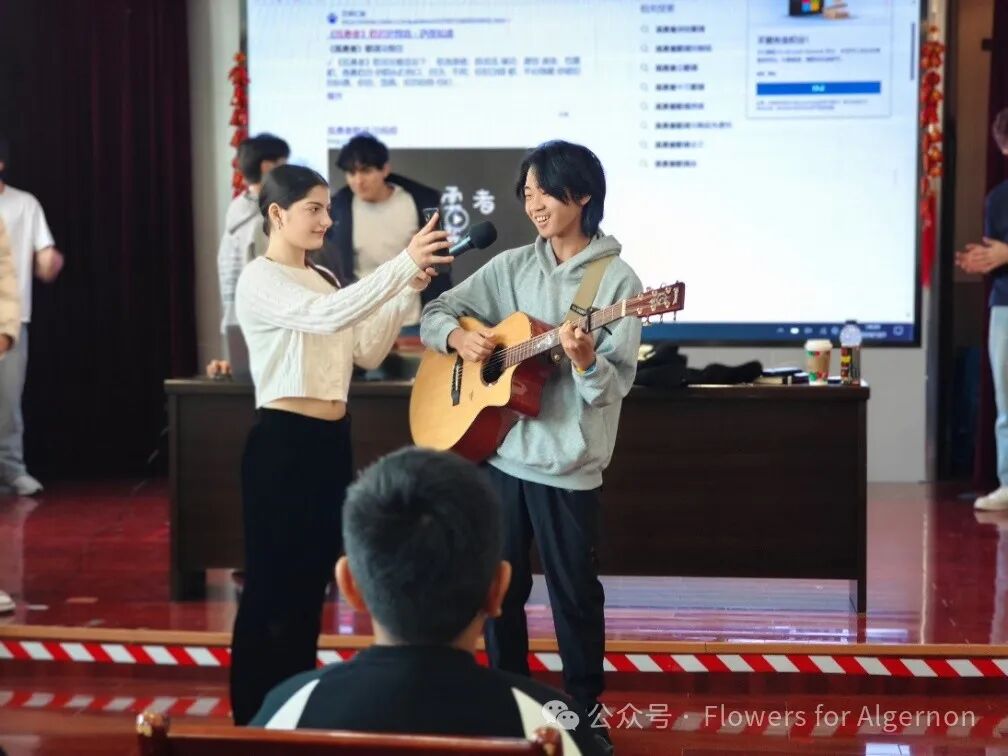
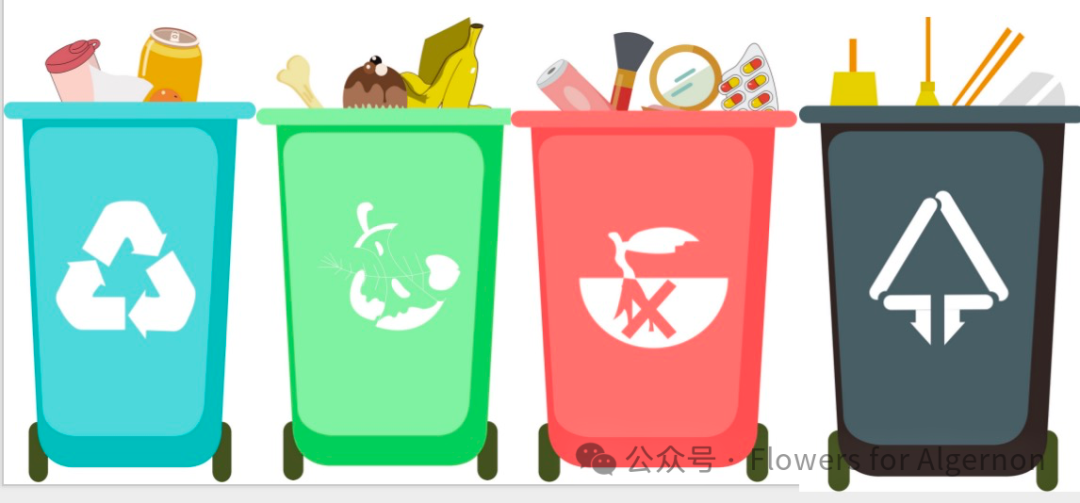
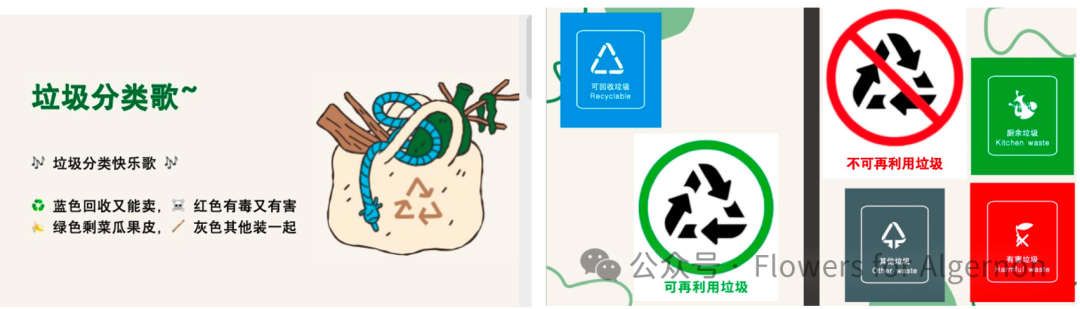
First, we briefly reviewed the knowledge about garbage sorting that the children learned last time. We sang the garbage sorting song together again: “蓝色回收又能卖,红色有毒又有害。绿色剩菜瓜果皮,灰色其他放一起!” (Blue bins for recycling and resale, red bins for toxic and harmful waste, green bins for leftover food and fruit peels, and grey bins for everything else!) This helped the children reinforce what they had previously learned. Many kids had great memories and still remembered the song clearly. With Teacher Jim’s help, the rest of the kids quickly recalled both the tune and the lyrics. Then, teachers Adrian and Tony introduced new sorting methods. They simplified the original four categories into just two: reusable waste and non-reusable waste. (Reusable here means waste items that can be directly reused.) They emphasized to the children the importance of reusable materials and how we can make good use of them again.
Activity 2: Hands-on Garbage Sorting Practice!
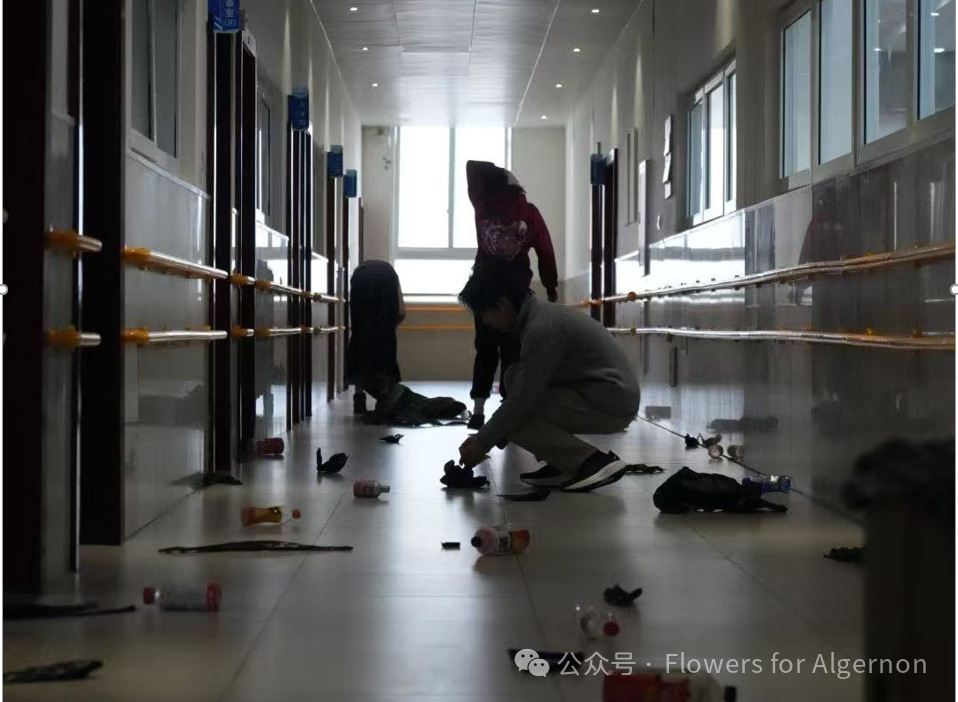
After briefly introducing the basics of garbage sorting, we moved on to our next hands-on activity—picking up trash! We placed items like batteries, plastic bottles, and plastic bags along the hallway outside the children’s classroom. Then, the kids picked up the garbage themselves and decided whether each item was reusable or non-reusable. They put each piece into the correct bin according to their choices. With guidance from the young teachers and other Zhixing members, the kids successfully identified and sorted all the garbage into the right bins in an orderly manner. This activity helped the children improve their hands-on skills, independent thinking, and mastery of garbage sorting knowledge.
Activity 3: Experiencing Recycling through DIY Water Guns!
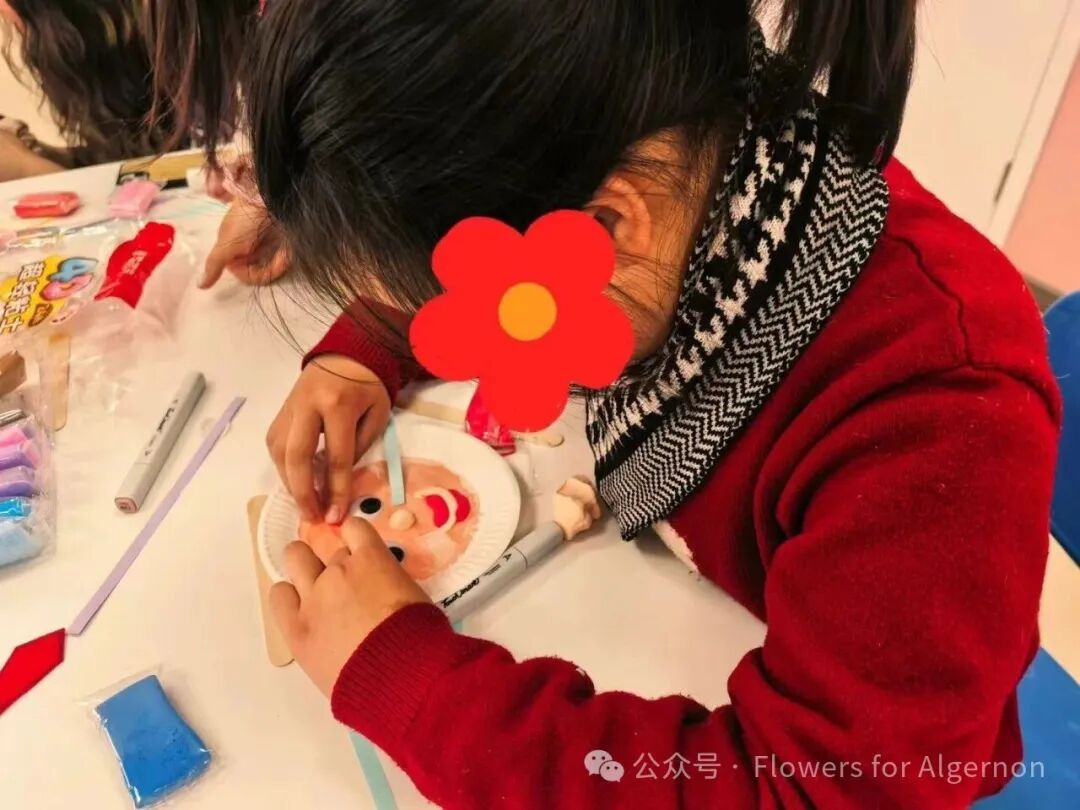
After the children successfully learned how to identify reusable and non-reusable waste through hands-on sorting, we moved on to another fun activity to help them experience recycling firsthand: making their own water guns! The materials used for the DIY water guns included spray-bottle heads made of hard plastic (reusable waste), hard plastic bottles (also reusable waste), and paper (again, reusable waste). To ensure safety, each child received a bottle with pre-drilled holes. However, they completed the drawing and assembly parts independently. Throughout this activity, the kids clearly experienced how to transform a pile of seemingly useless “trash” into an exciting and playful toy. We also filmed a detailed tutorial video for the children to watch so that more kids could try making the water gun at home. The children’s hands-on skills were impressive—many drew beautiful designs on the paper provided. Afterward, they proudly took their finished creations home to enjoy!

Summary & Reflection
The activity built upon the concepts taught in the preceding lesson. The children learned about garbage sorting through practical activities which deepened their understanding of its significance. The children experienced the process from bottle sorting into reusable containers until they used these bottles to create their DIY water guns. The activities developed both practical abilities and waste sorting comprehension among the children. The planet needs everyone to take responsibility for its protection while these special children should have opportunities to actively participate in meaningful environmental actions.
Author:Jim 郑梓豪
Photographer:Oscar 陈梓钦
Editor:April 杨佳炘
——End——